
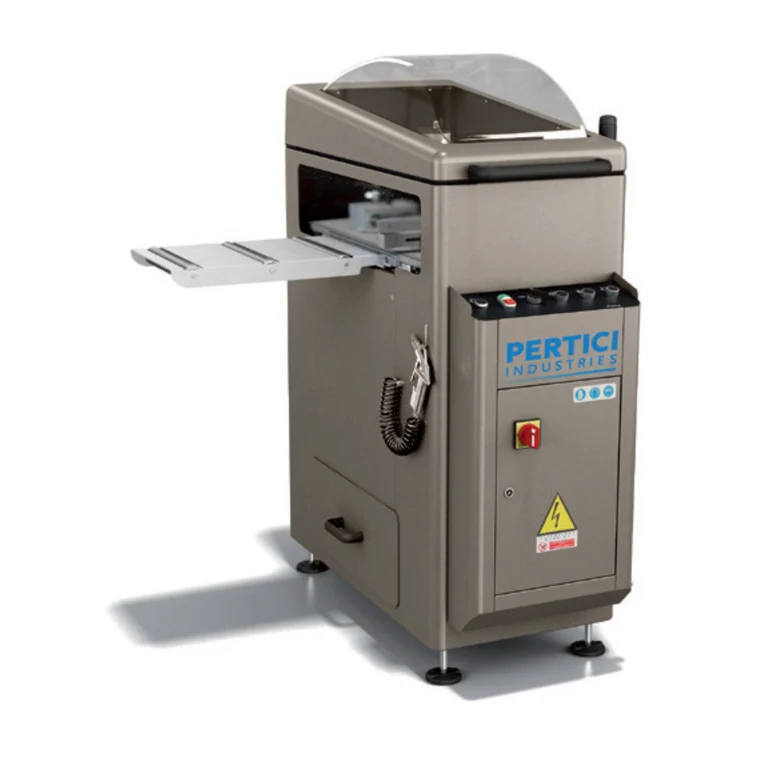
A powerful cutting machine earns its place on the factory floor through accuracy, speed, and dependable performance. Dust, worn components, and loose fittings gradually affect all three.
Regular servicing helps operators spot trouble before production suffers. It also gives buyers comparing equipment costs, including aluminium cutting machine price in UAE, a clearer picture of long term value.
Inspect the cutting blade
Begin with the blade, since its condition directly affects cut quality and machine performance. Check each tooth for cracks, chipped edges, missing tips, and uneven wear. Look for aluminum residue along the cutting edge, as built-up material increases friction and heat. Confirm blade alignment and replace damaged blades before production resumes.
Check the motor and drive system
Listen for unusual humming, grinding, or vibration during operation. Inspect motor mounts, drive belts, pulleys, and electrical connections for wear or looseness. Check belt tension according to manufacturer specifications and examine the motor housing for signs of overheating. Stable drive components help maintain consistent cutting speed and reduce unexpected stoppages.
Examine bearings and moving parts
Bearings, guide rails, and sliding assemblies support smooth machine movement. Inspect them for excessive play, corrosion, unusual noise, or restricted motion. Apply the lubricant specified by the manufacturer and remove accumulated dust or metal particles. Proper lubrication limits friction and helps protect precision components against premature wear.
Test clamps and material supports
Secure material positioning keeps aluminium profiles stable during cutting. Inspect pneumatic or manual clamps for leaks, worn pads, and weak gripping force. Check support rollers, measuring stops, and feed tables for alignment. Replace damaged contact surfaces and confirm that each clamp holds the workpiece firmly without leaving unwanted marks.
Clean chip collection and cooling systems
Metal chips can obstruct moving assemblies and reduce workshop cleanliness. Empty collection trays, inspect extraction ducts, and clear blocked conveyor sections. Check coolant levels, hoses, filters, and pumps where the machine uses liquid cooling. Clean systems help manage heat and support consistent cutting performance throughout demanding shifts.
Inspect electrical and safety controls
Test emergency stops, safety interlocks, protective guards, and control switches. Examine cables for cracked insulation, loose terminals, or heat damage. Confirm that guards close securely and interlocks stop hazardous movement as intended. Qualified maintenance personnel should handle electrical repairs and follow the machine manufacturer’s safety instructions.